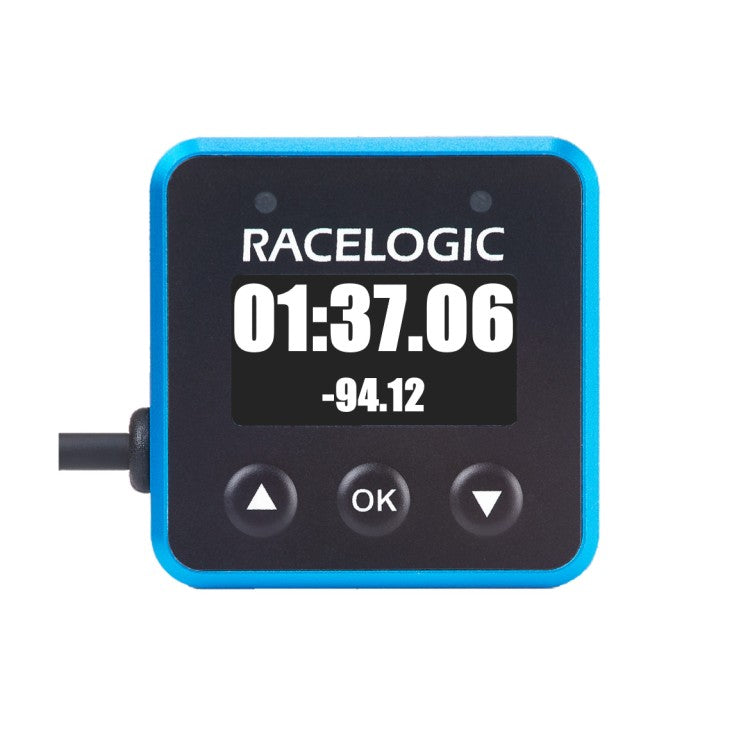
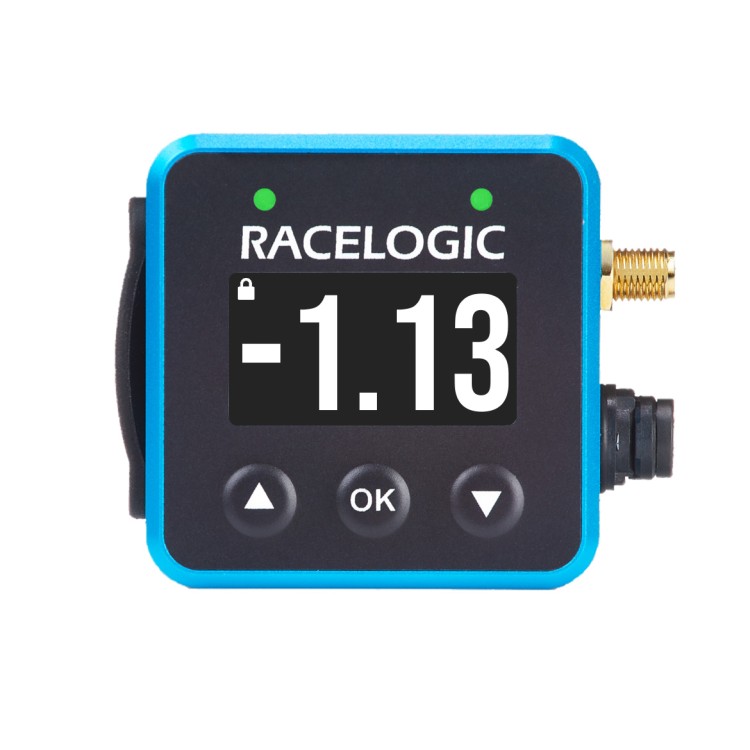
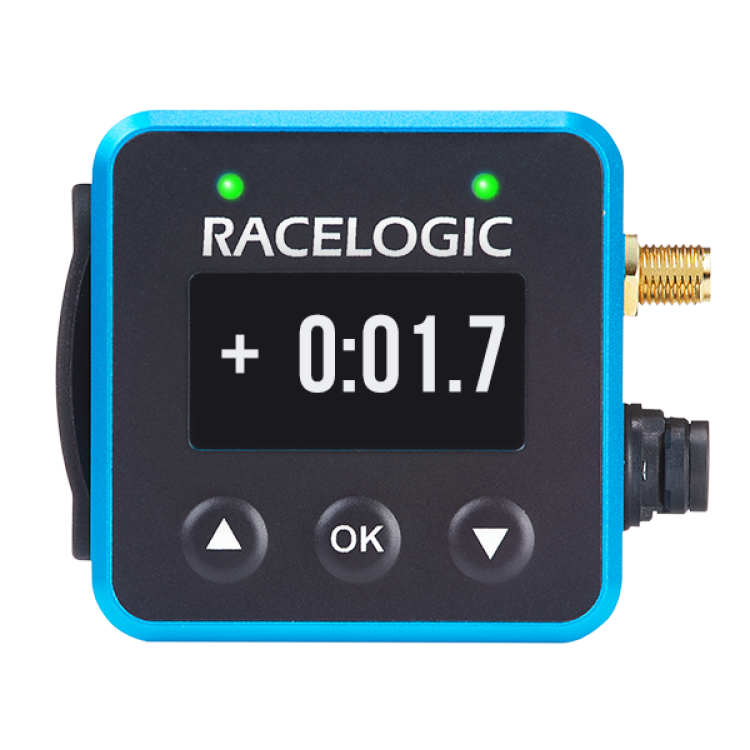
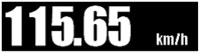
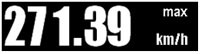
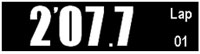
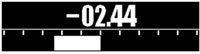
Delta-T is short for "delta time," and it's simply the time difference between your current lap and a reference lap, usually your fastest one, shown continuously as you drive rather than only at the finish line. A positive number means you're behind that reference pace at this exact point on track; a negative number means you're ahead of it.
The part that actually matters is how that comparison gets calculated. Older lap timers measured distance, usually from a wheel speed sensor, to decide where you were on the track relative to the reference lap. The problem is that distance traveled changes lap to lap. Take a slightly different line, get held up behind traffic, or lock a wheel under braking, and a distance-based system starts comparing the wrong points on the track to each other. On a short track that error is small. On a long, complex circuit like the Nurburgring or Spa, it compounds fast.
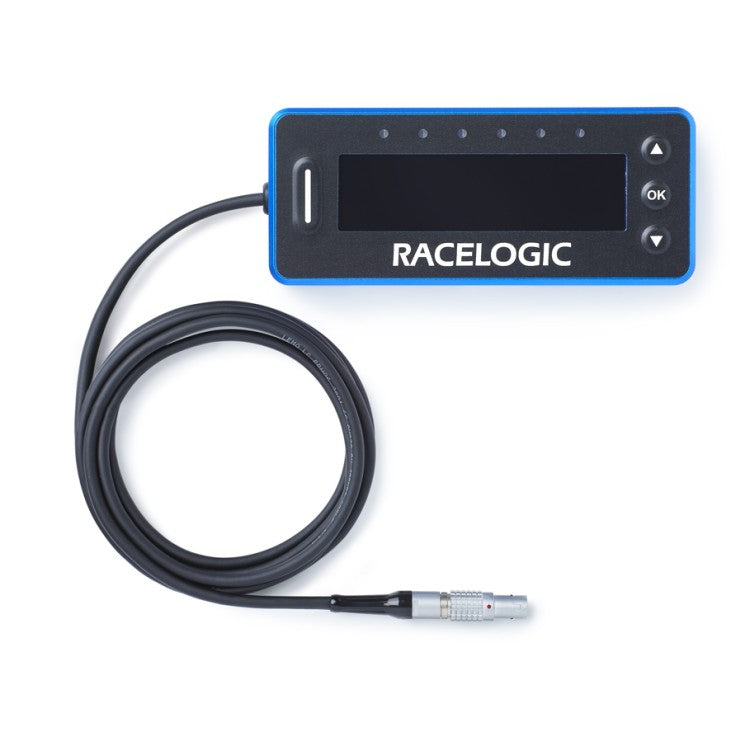
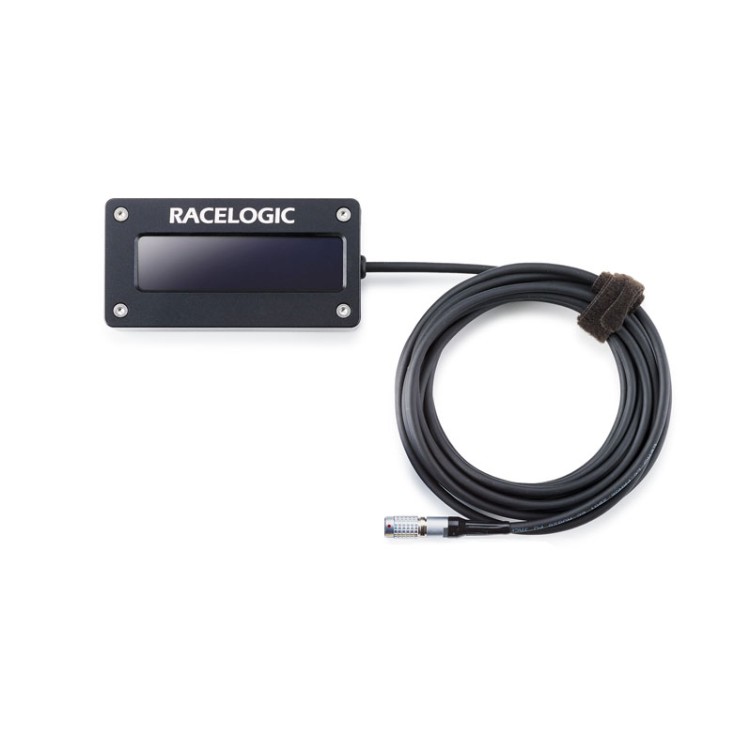
The Lap Timer and OLED Display both calculate Delta-T from GPS position instead of distance. That means the system is always comparing the same physical point on the racing surface, regardless of the line you took to get there, holding 0.1 second precision around the entire lap. That's what "position-based Delta-T" means when you see it on a spec sheet, and it's the reason these numbers stay trustworthy even when your driving isn't perfectly consistent lap to lap.
The Pit Lane Timer uses the word "delta" too, but for something different: the pit-to-exit delta covered further down. It isn't lap-to-lap Delta-T, and the Pit Lane Timer doesn't do predictive lap timing.